ECHOSEARCH
Track Your Brand/Track Competitors/Briefings
OFFICIAL EXECUTIVE BRIEF • Loading Date...
SITUATION REPORT

California Bans Waymo From Freeways Statewide

Status Summary: Contextual analysis of live event stream.

STRATEGIC RISK MATRIX

CORE RISK PROBABILITY
42%
SENSITIVE RISK VECTOR
Public SafetyAutonomous Vehicle MarketState Transportation Infrastructure
TOP NEWS SOURCES (LIVE FEEDS)
ABC7 News Bay Area
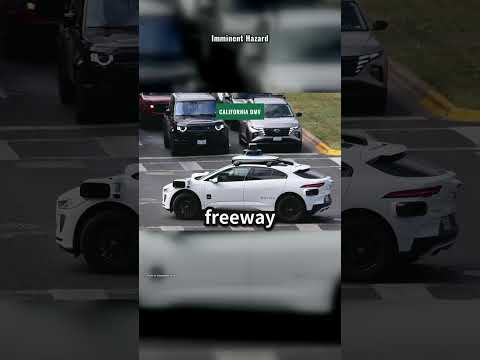
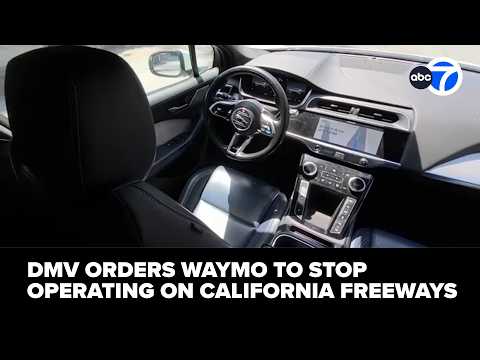
DMV bans Waymos from California freeways after traffic incidents
News Explained
Why California Just Banned Waymo From Its Freeways
▶
ABC7
California DMV bans Waymos from operating on state freeways after series of traffic incidents
▶
NBC News
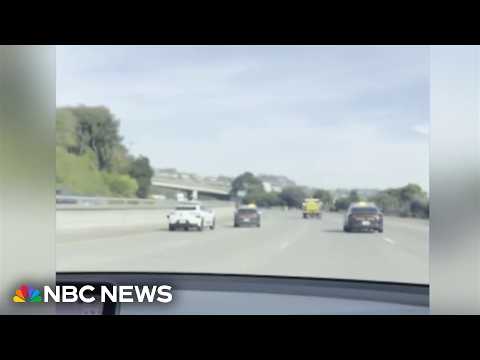
California bans Waymo vehicles from freeways
▶
OVERALL SENTIMENT
Cautious
GENERAL RISK PROFILE
High
PRIMARY EMOTIONAL TONE
Concern

Executive Summary

California's Department of Motor Vehicles announced an immediate prohibition of Waymo’s driverless cars on all state‑maintained freeways, citing an "imminent hazard" based on recent incident reports and sensor performance audits. The ban applies to all Waymo‑operated autonomous units, regardless of testing status, and follows a series of near‑miss events that triggered an internal safety review by the agency. The decision highlights a regulatory tension between rapid technology deployment and legacy safety frameworks. While Waymo has logged millions of autonomous miles nationwide, the state's evaluation focuses on freeway‑specific dynamics—higher speeds, reduced reaction windows, and complex lane‑change algorithms. The ban also pressures other AV firms to re‑examine their own compliance protocols, as California represents roughly 30% of U.S. freeway mileage and serves as a de‑facto benchmark for autonomous testing. Looking ahead, the prohibition could trigger a cascade of legal challenges and lobbying efforts, potentially reshaping the national AV regulatory landscape. If California’s stance spreads to other high‑traffic states, manufacturers may pivot to lower‑speed urban pilots, slowing broader market adoption and affecting projected revenue streams slated for 2027‑2029. Stakeholders should monitor upcoming hearings before the California State Transportation Agency and any federal responses that could either tighten or harmonize standards across jurisdictions.
Cross-Network Intelligence

Related News and Insights