Executive Summary
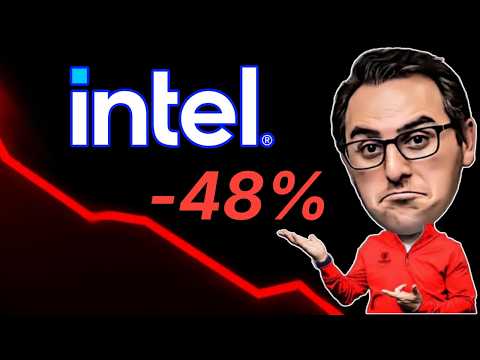
Intel is confronting a proposed class‑action lawsuit filed by a group of shareholders who allege the company deliberately concealed weakening demand for personal computers. The complaint asserts that Intel’s disclosures failed to reflect a sharp slowdown in PC sales, a factor that preceded a 29% plunge in the company’s share price. The timing of the alleged concealment suggests that market participants were denied material information that could have informed investment decisions, raising questions about the adequacy of Intel’s internal reporting mechanisms.
Beyond the immediate financial impact, the suit underscores a broader asymmetry in information flow between Intel’s executive leadership and its investor base. Analysts and institutional investors rely on forward‑looking statements to allocate capital; any deviation from transparent communication can distort market pricing and erode trust. Moreover, the lawsuit may catalyze heightened scrutiny from the U.S. Securities and Exchange Commission, potentially prompting broader investigations into disclosure practices across the semiconductor sector, where demand cycles are increasingly volatile.
If the litigation proceeds, the likely outcomes include a negotiated settlement, a court‑ordered disclosure overhaul, or a precedent‑setting judgment that reshapes corporate reporting standards. Each scenario carries implications for Intel’s valuation, its ability to raise capital, and its competitive positioning against rivals that may leverage the episode to attract skeptical investors. The case also serves as an early warning to other technology firms about the reputational and financial perils of under‑communicating market headwinds.
Strategic stakeholders should monitor regulatory filings, court docket updates, and any concurrent shareholder communications for signals of settlement terms or broader policy shifts. Proactive engagement with legal counsel and investor relations teams will be essential to mitigate brand damage, reassure market participants, and reinforce governance frameworks that prioritize timely, accurate disclosure.