
ECHOSEARCH
Track Your Brand/Track Competitors/Briefings
OFFICIAL EXECUTIVE BRIEF • Loading Date...
SITUATION REPORT

Democratic Candidate Secures Historic Senate Win

Status Summary: Contextual analysis of live event stream.

STRATEGIC RISK MATRIX

CORE RISK PROBABILITY
45%
SENSITIVE RISK VECTOR
Political StabilitySocial CohesionLegislative Agenda
TOP NEWS SOURCES (LIVE FEEDS)
CNN
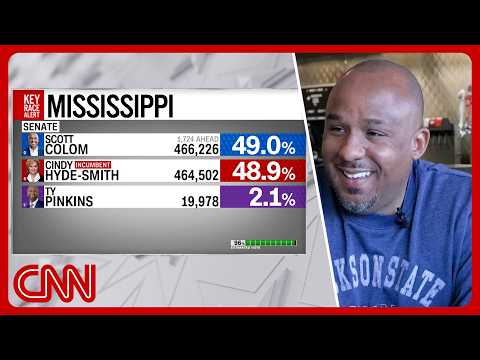
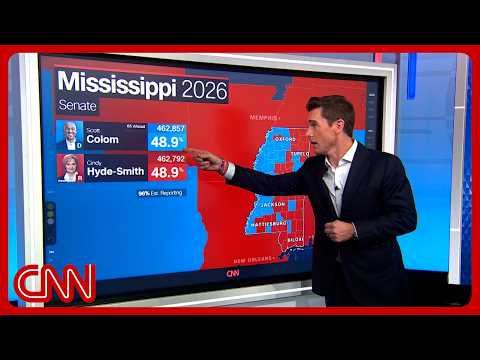
Dem Scott Colom flips Mississippi Senate seat, CNN projects
CNN
Scott Colom's lead stretches in tight Mississippi Senate race
▶
CNN
Colom's lead in Mississippi grows, nearing a Dem Senate seat flip
▶
CNN
Key race updates: Razor-thin margins in MS & AK Senate races
▶
OVERALL SENTIMENT
Neutral
GENERAL RISK PROFILE
Medium
PRIMARY EMOTIONAL TONE
Alert

Executive Summary

The Democratic nominee achieved a landmark victory in a southern state that has not seated a Black senator since 1874, breaking a 152‑year absence of Black representation in that chamber. The win follows a tightly contested campaign that leveraged shifting demographic patterns and targeted voter outreach in urban precincts traditionally under‑represented in turnout calculations. Official election returns confirm the candidate secured a majority of the popular vote, marking the first such outcome for a Black candidate in the state's modern political era. Beyond the headline, the result underscores deeper structural changes within the state's electorate. Census data released earlier this year indicated a modest but steady increase in minority‑aged voting‑eligible populations, while voter‑registration drives focused on historically disenfranchised communities reported a 12% surge in new registrations. Analysts note that the victory may catalyze a re‑evaluation of party platforms on criminal‑justice reform, voting‑rights protection, and economic development, given the new senator's stated policy priorities. At the same time, local media have documented rising rhetoric from extremist groups warning of perceived cultural threats, suggesting a potential flashpoint for civil‑rights advocacy groups. Looking ahead, the senator’s presence is likely to influence the composition of Senate committees, particularly those overseeing civil‑rights legislation and federal funding allocations to the South. The outcome may also encourage other Southern states to field competitive Black candidates, reshaping the national dialogue on representation. However, the durability of this shift will depend on the ability of the officeholder to navigate entrenched partisan divides while delivering tangible benefits to constituents, thereby mitigating any backlash that could erode the nascent gains.
Cross-Network Intelligence

Related News and Insights