ECHOSEARCH
Track Your Brand/Track Competitors/Briefings
OFFICIAL EXECUTIVE BRIEF • Loading Date...
SITUATION REPORT

Jensen Huang Faces Concentrated Wealth Risk

Status Summary: Contextual analysis of live event stream.

STRATEGIC RISK MATRIX

CORE RISK PROBABILITY
68%
SENSITIVE RISK VECTOR
Equity Market ExposureCorporate GovernanceInvestor Confidence
TOP NEWS SOURCES (LIVE FEEDS)
CNN
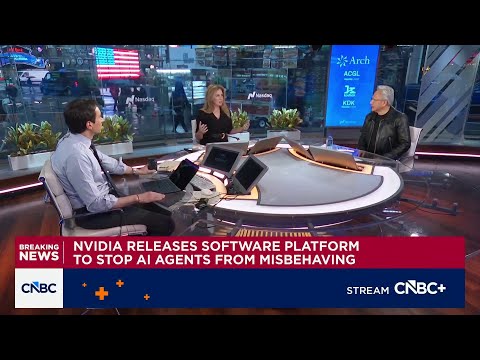
AI is not a new species, it's software: Nvidia CEO Jensen Huang
Vampyre Drakul
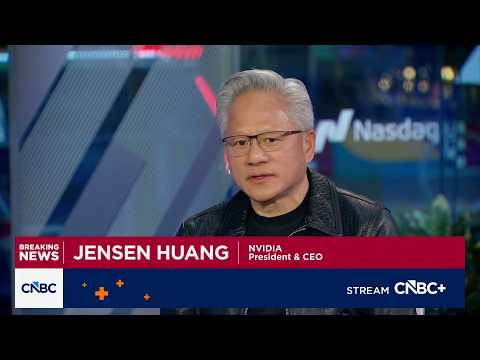
Jensen Huang: NVIDIA's New Breakthrough For Safe AI | CNBC Full Interview
▶
CNBC Television
Nvidia CEO Jensen Huang: All systems around AI systems must be designed with restrictive rights
▶
Yahoo Finance
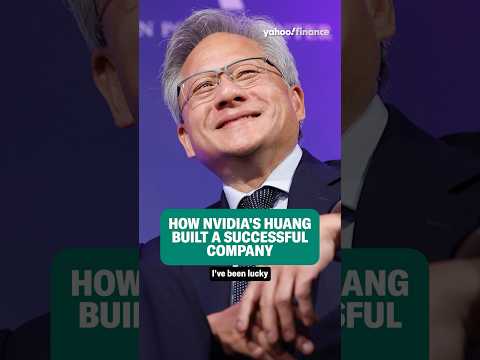
How @NVIDIA’s Jensen Huang built a successful company: ‘The Nvidia Way’ author #shorts
▶
OVERALL SENTIMENT
Neutral
GENERAL RISK PROFILE
High
PRIMARY EMOTIONAL TONE
Analytical

Executive Summary

Jensen Huang's personal fortune is overwhelmingly composed of Nvidia shares, a fact underscored by a ten‑slide briefing that details his stake, ranking among global billionaires, charitable giving, cash reserves, and the inherent danger of a single‑asset portfolio. The concentration of wealth ties Huang's financial wellbeing directly to Nvidia's market performance, making any volatility in the semiconductor sector a personal risk as much as a corporate one. This alignment also amplifies public scrutiny, as investors and regulators monitor the founder‑CEO's exposure to the very stock he steers. The hidden dimension of this story lies in the systemic risk created when a company's leader holds a dominant equity position. Should Nvidia's share price experience a sharp correction—whether from supply‑chain disruptions, geopolitical tensions affecting chip demand, or macro‑economic tightening—the personal loss to Huang could cascade into leadership instability, boardroom challenges, or even forced divestiture to satisfy fiduciary duties. Moreover, the concentration reduces liquidity options for Huang, limiting his capacity to fund philanthropic initiatives or respond to personal emergencies without influencing market dynamics. Looking ahead, the asymmetric risk profile suggests that any sustained downturn in the AI and data‑center markets could trigger a re‑evaluation of governance structures at Nvidia. Stakeholders may push for diversification mandates, and activist investors could leverage Huang's exposure as a lever for strategic change. Conversely, a prolonged bull market would reinforce the existing alignment, but also entrench the perception that corporate and personal fortunes are inseparably linked, potentially skewing market expectations and valuation models.
Cross-Network Intelligence

Related News and Insights