Executive Summary
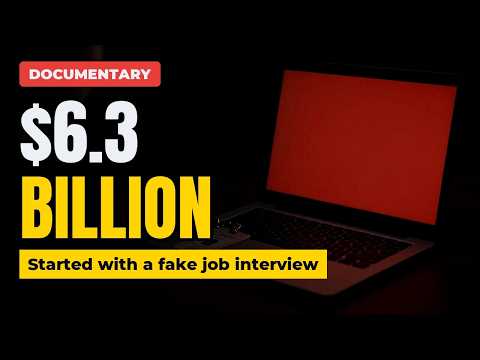
Cyber threat actors are increasingly deploying advanced social engineering tactics against major corporate entities, as highlighted by sophisticated fake job interview scams targeting organization personnel, including high-profile incidents involving cryptocurrency exchange Binance. These vectors exploit traditional talent acquisition channels, shifting from crude phishing campaigns to highly customized, multi-stage recruitment interactions designed to infiltrate enterprise networks.
The elevation in sophistication surrounding fake job interview scams represents an asymmetric threat to organizational security infrastructures. Malicious actors design convincing fake recruitment processes, impersonating executive recruiters or technical interviewers to deliver malware, capture credentials, or induce targets into executing unauthorized code during technical assessments. Unlike automated broad-scale phishing, these targeted recruitment scams involve prolonged direct engagement, establishing trust over days or weeks before executing the compromise phase.
Corporate security teams face heightened operational vulnerabilities when social engineering bypasses perimeter technical controls through legitimate-appearing human resources activities. The reliance of global enterprises on remote interviews, third-party recruiters, and online coding environments creates expanded attack surfaces. Organizations must adapt verification protocols for candidate and recruiter identities, auditing software tools used during candidate screening to prevent unauthorized system access.
As social engineering techniques refine further, the potential for operational disruption and sensitive data exposure escalates. Threat actors are expected to continuously adapt their impersonation methods to evade standard detection mechanisms. Enterprise risk management requires integrating continuous security awareness with stringent identity verification mechanisms across all recruitment channels to mitigate the rising frequency of targeted job interview exploits.