Executive Summary
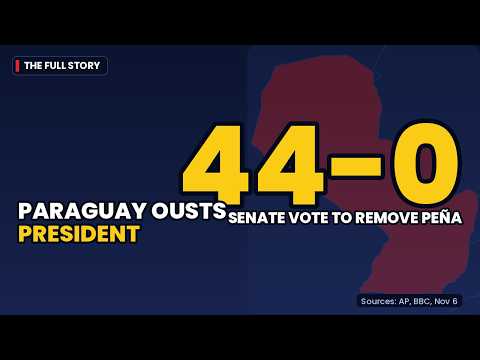
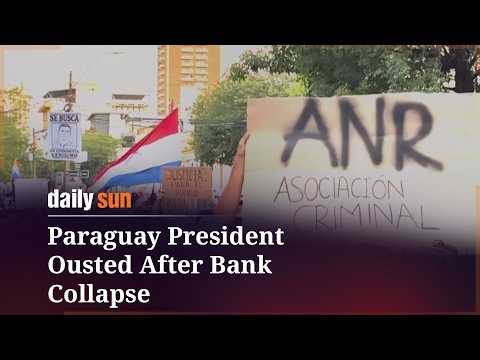
The Senate’s removal of former President Santiago Peña and his immediate placement under house arrest on charges of breach of trust and influence peddling follow the rapid collapse of a government‑linked bank that froze assets of thousands of depositors. The abrupt legal action underscores a power vacuum in Asunción, where institutional checks appear to be mobilized under duress rather than through a transparent, orderly transition. The source text notes that the bank’s failure “locked nearly …” accounts, hinting at a systemic liquidity crisis that precipitated political fallout.
Beyond the headline, the underlying mechanisms of alleged influence peddling suggest entrenched patronage networks linking political elites to financial institutions. Such networks, when exposed, can accelerate capital flight, depress credit availability, and embolden opposition groups to exploit perceived governmental weakness. Regional observers have flagged Paraguay’s banking sector as a “thin” pillar of its economy, making it especially vulnerable to contagion from political turbulence. Moreover, the rapid imposition of house arrest without a public trial raises concerns about due‑process standards, potentially eroding public confidence in the judiciary and inviting protests.
If the government fails to restore confidence in the banking system and demonstrate transparent legal proceedings, Paraguay risks a cascade of secondary effects: increased sovereign risk premiums, heightened scrutiny from multilateral lenders, and a possible spillover of unrest into neighboring economies with similar fiscal fragilities. The current trajectory suggests a heightened probability of further institutional strain, with the international community likely to monitor any escalation closely.
Stakeholders should prepare for amplified volatility in the Paraguayan financial market, consider contingency plans for exposure to regional credit instruments, and assess diplomatic channels for stabilizing dialogue with Asunción’s interim authorities.