Executive Summary
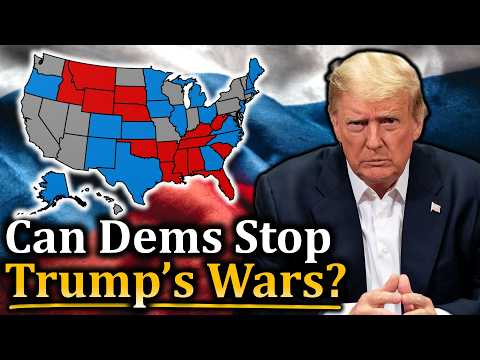
The 2026 midterm elections solidified Democratic control of both the House and Senate, eliminating the former president’s ability to direct legislative agendas through party leadership. This shift removes a pivotal lever that Trump previously used to pressure Iran on nuclear negotiations, leveraging the threat of sanctions or the promise of diplomatic outreach. Without his direct line to congressional committees, the administration’s Iran policy now follows a more conventional diplomatic track, but the abrupt change creates uncertainty for Tehran, which had calibrated its regional posture around the volatility of Trump‑era tactics.
Beyond Tehran, the removal of Trump’s congressional influence reshapes the United States’ commitment to Ukraine. In prior sessions, Trump’s sporadic support for aid packages introduced volatility into funding streams, prompting Ukrainian officials to hedge against potential shortfalls. The current Congress, with a unified Democratic majority, is poised to pass more predictable appropriations for military and humanitarian assistance, yet internal debates over long‑term fiscal commitments could still generate delays. The hidden risk lies in the coordination gap between the executive branch and a Congress now less susceptible to unilateral presidential pressure, potentially slowing response times in a fluid battlefield.
Looking forward, the realignment may affect broader foreign‑policy coherence. With Trump out of the legislative arena, rival factions within the Republican Party lose a unifying figure, leading to a fragmented opposition that could challenge future bipartisan initiatives on Iran nuclear verification and NATO reinforcement. Energy markets may feel secondary effects as sanctions on Iran’s oil exports are reassessed, influencing global oil prices. Defense contractors, too, must adjust to a steadier but potentially more scrutinized procurement process, as congressional oversight intensifies in the absence of presidential bypass mechanisms.