

ECHOSEARCH
Track Your Brand/Track Competitors/Briefings
OFFICIAL EXECUTIVE BRIEF • Loading Date...
SITUATION REPORT

NYC Marathon Officials Delay Death Findings

Status Summary: Contextual analysis of live event stream.

STRATEGIC RISK MATRIX

CORE RISK PROBABILITY
35%
SENSITIVE RISK VECTOR
Public Safety TrustMarathon Brand ReputationLegal Liability
TOP NEWS SOURCES (LIVE FEEDS)
CBS New York
NYC Marathon runner collapsed 2 miles from finish line, died at hospital, officials say
ABC News
Young woman dies after collapsing 2 miles from finish line at New York City Marathon
▶
WCVB Channel 5 Boston
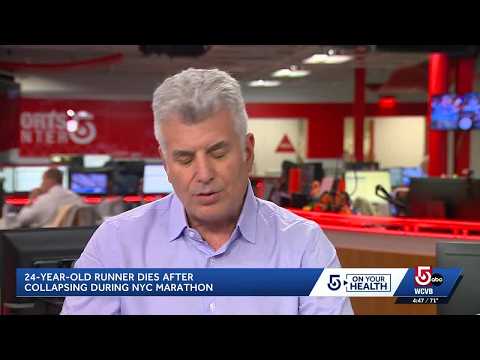
Doctor explains how 24 year old runner died just hours after NYC Marathon
▶
1010 WINS
Woman running the NYC marathon for charity dies 2 miles from the finish
▶
OVERALL SENTIMENT
Neutral
GENERAL RISK PROFILE
Medium
PRIMARY EMOTIONAL TONE
Concerned

Executive Summary

The tragic collapse of Rachel Apa, a 27‑year‑old participant in the New York City Marathon, occurred two miles from the finish line on Sunday, prompting immediate concern among race officials, spectators, and the broader public. According to the city medical examiner’s office, the cause of death remains under investigation, and no definitive explanation has been released. The incident unfolded despite the marathon’s extensive medical support infrastructure, which includes on‑site ambulances, volunteer EMTs, and a dedicated medical tent. Media coverage has highlighted the suddenness of the event and the lack of an official cause, fueling public scrutiny of the race’s safety protocols. Beyond the immediate human tragedy, the episode exposes several asymmetrical risks that are often overlooked. First, the adequacy of pre‑race health screenings for participants is now under question, especially for elite and recreational runners who may conceal medical conditions. Second, the marathon’s contractual obligations to sponsors and city authorities hinge on an unblemished safety record; any perceived lapse can erode brand equity and trigger sponsor withdrawal. Third, the vacuum of factual information creates fertile ground for misinformation and conspiracy narratives, which can amplify public distrust not only toward the event organizers but also toward municipal health agencies. Looking ahead, the ongoing autopsy and toxicology reports will shape the narrative. If the examiner identifies a preventable medical factor, regulators may impose stricter health clearance requirements for future races, increasing operational costs. Conversely, an indeterminate cause could sustain speculation, pressuring officials to adopt more transparent communication strategies. Both scenarios carry implications for the marathon’s reputation, participant confidence, and the city’s broader public‑safety credibility.
Cross-Network Intelligence

Related News and Insights