Executive Summary
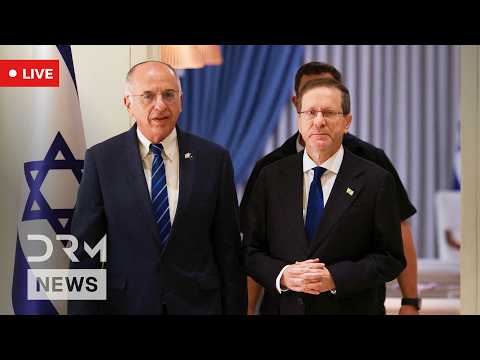
Israeli President Isaac Herzog has officially commenced post-election consultations with political parties across the ideological spectrum, establishing a clear imperative for coalition negotiations. Addressing political leaders directly during the inauguration of these proceedings, Herzog delivered an explicit directive regarding campaign pledges. He warned politicians that "not every commitment and promise can be fulfilled" if the nation's leadership intends to successfully form a coalition and prevent a return to the polls for another election cycle.
The president's intervention highlights the recurring vulnerability of the coalition-building phase, where party heads often treat campaign promises as non-negotiable mandates. In a parliamentary system requiring a clear legislative majority, uncompromising post-election posture frequently leads to legislative gridlock. By publicly framing compromise as a prerequisite for governance, Herzog is attempting to realign party incentives toward pragmatism and away from maximalist campaign platforms.
Beyond the immediate mathematical requirements of forming a parliamentary majority, Herzog's warning underscores the institutional friction generated by repeated election cycles. The potential for negotiation collapse remains a primary operational risk during party consultations. If political leaders refuse to back down from conflicting commitments, the negotiation framework risks immediate breakdown, threatening to trigger secondary consultations or an impasse that damages public trust in political institutions.
As consultations proceed, the immediate strategic focus turns to party responses regarding potential policy concessions. The ability of party leaders to manage their internal factions while signaling flexibility to the president will dictate the trajectory of coalition talks. The ultimate stability of the resulting administration depends heavily on whether these early warnings compel genuine structural concessions or merely delay political breakdown.