ECHOSEARCH
Track Your Brand/Track Competitors/Briefings
OFFICIAL EXECUTIVE BRIEF • Loading Date...
SITUATION REPORT

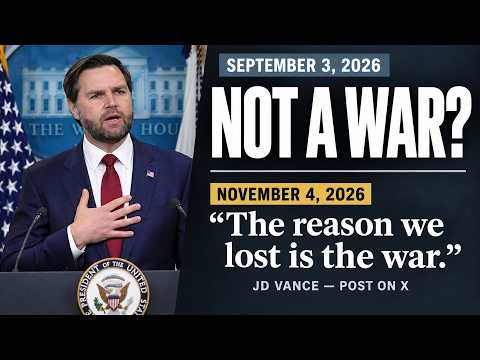
JD Vance Blames War for Losses

Status Summary: Contextual analysis of live event stream.

STRATEGIC RISK MATRIX

CORE RISK PROBABILITY
48%
SENSITIVE RISK VECTOR
Electoral StabilityParty CohesionPublic Trust in Institutions
TOP NEWS SOURCES (LIVE FEEDS)
CNBC Television
Vice President Vance blames Iran war for Republican losses
Walkabouts Now
JD Vance Said Iran Wasn't a War. Now He Blames It for GOP Losses.
▶
TRT World Now
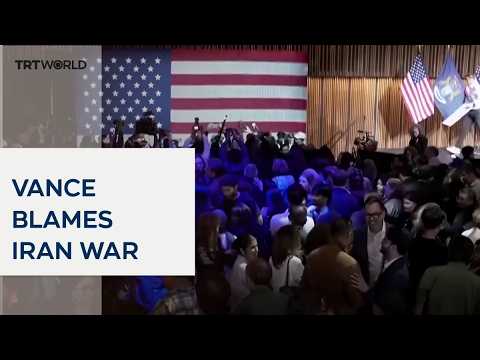
Vance blames Iran war for Republican midterm losses
▶
Al Arabiya English
BREAKING: Vance Blames Iran War for Midterms Loss. Is a Bust-Up With Trump on The Cards?
▶
OVERALL SENTIMENT
Negative
GENERAL RISK PROFILE
Medium
PRIMARY EMOTIONAL TONE
Concern

Executive Summary

The 2026 midterm elections delivered a sweeping defeat for the Republican Party, a result Vance directly linked to public backlash over an ongoing overseas conflict. Vance, a leading Senate contender from Ohio, argued that voters who supported Donald Trump in 2024 turned away from the GOP after perceiving the party’s handling of the war as reckless and out of touch. The statement emerged amid a broader discourse on war fatigue, with polling indicating a sharp decline in support for candidates endorsing continued military engagement. Analysts note that Vance’s attribution highlights an under‑examined asymmetry: the war’s domestic political cost outweighs its strategic objectives. While defense contractors and foreign policy hawks maintain influence, the electorate’s appetite for sustained conflict is eroding, reshaping the Republican base. Moreover, the narrative exposes a fracture between the party’s traditional foreign‑policy establishment and its populist wing, potentially accelerating defections among suburban and swing‑state voters. Media coverage amplifies this dynamic, framing the loss as a referendum on war policy rather than purely economic or social issues. Looking ahead, the GOP faces a strategic crossroads. If the party does not recalibrate its stance on the war, it risks further attrition in upcoming primaries and the 2028 presidential cycle. Conversely, a decisive shift toward de‑escalation could restore credibility among war‑weary voters but may alienate core donors and national security advocates. The balance of these pressures will shape the party’s policy platform and electoral prospects over the next two years.
Cross-Network Intelligence

Related News and Insights